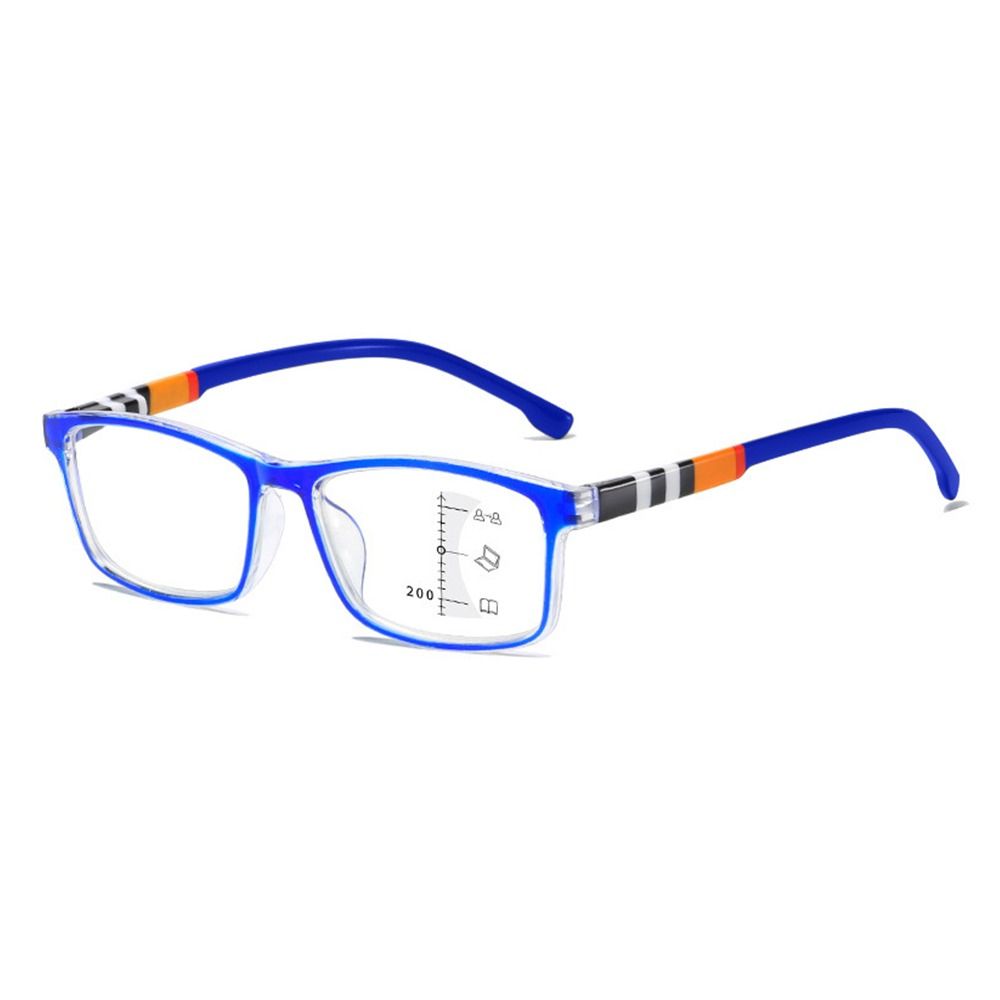
I understand the struggle. You need new glasses, but you don't want to pay the high prices at a physical store. You come across fantastic online deals for PC blue-light-blocking reading glasses—the kind with multifocal or progressive lenses. You tell yourself, "I can find quality reader sunglasses online for a great price!"
I thought exactly the same thing. In the end, I wasted money, lost time, and endured weeks of headaches. I made these mistakes so you won't have to. Learn from my errors before you click that "Buy" button.
Here’s what you gain by avoiding my missteps:
I found a pair of glasses for just $10. They looked identical to the expensive models. That was a huge mistake! I convinced myself I was clever for finding such a cheap deal online. When it comes to progressive or multifocal lenses, you're paying for precision. If the price is suspiciously low, the manufacturer has likely cut corners on the lens coating.
Within two weeks, the anti-blue-light coating began to peel. The lenses always felt hazy, and the progressive transition area was so small that I had to constantly tilt my head just to find the reading zone.
Verdict: If the price seems too good to be true for progressive, anti-blue-light glasses, it probably is. The lens material is often inferior, and the coating will fail quickly. Look for brands that explicitly state they use Polycarbonate (PC) lenses with durable coatings.
I was so focused on lens strength that I ignored the frames. The pair I bought had frames made of thin, brittle plastic. They felt stiff and uncomfortable straight out of the package. When I tried to adjust the temple arm slightly for a better fit, it snapped.
For glasses you wear all day, you need durable frames. Look for materials like TR90 or high-quality acetate. If the description simply says "plastic," steer clear. High-quality frames will have some flexibility and won't feel like they'll shatter if dropped on a carpet.
Verdict: Seek out frame materials like TR90 or high-density PC plastics, which offer flexibility and strength. Cheap frames break easily, rendering your entire purchase useless.
This is where I learned the hard way that an online seller might list a specific strength (like +1.00) but deliver something completely different, especially with progressive lenses. Progressive lenses are complex, requiring smooth blending between near, mid-range, and distance vision areas. Sloppy manufacturing results in a rough blend, which can cause severe headaches.
I only glanced at the seller's overall rating and didn't read the detailed reviews about lens performance. Many dissatisfied customers complained about blurry mid-distance vision, indicating that the progressive zone was either too small or poorly aligned.
Verdict: Always read reviews that mention blurriness, headaches, and computer distance issues. These are clear indicators of poor progressive lens alignment.